December Reflections, 2025 Inviting warm hearth turns us homeward to loved ones,
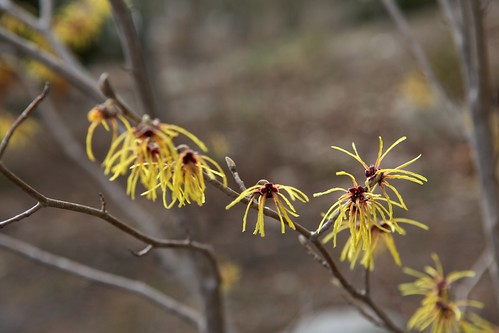
You alone bloom late at winter,
December 1, 2025 Ten Ways to Prepare for Winter Older folks find winter so troublesome; many flee south on I-75 and I-95 like some Canadians and some wild geese. Those wise northern dwellers know that warm seasons are best spent in cooler climes, and winter in warmer ones. In fact, the fuel to go from one place to the other and back is less than that required by summer-cooling in Florida or winter-warming in Ontario. The great majority of us do not want to tip North America into the Caribbean, and so we stay put in our homes. Can we make winter life easier? Here are a few ways: 1. Insulate the hidden places that were forgotten last year, for example, the cracks under doors or the outlets for electricity. 2. Wear warmer clothes, maybe some of the newer fabrics, which wick well and keep the body dry. A purchase at a yard sale or a used clothes place may help enhance the winter wardrobe also. 3. Exercise outdoors daily when possible. It is a mistake to stay cooped up indoors, and expect that the weather will not affect us on infrequent ventures outside. Get out except when it sleets. 4. In case the power goes off, store at least two weeks supply of food that needs no or minimal heating or cooking. 5. Automobiles should be well maintained with proper oil, tire treads, clean air and gas filters. Ensure there are a flashlight, sleeping bag, and other emergency materials. 6. Stay home and do less travel. If you must make a journey, learn the highway conditions, listen to or watch weather reports, and stay on top of the current weather maps. 8. Bird feeding is a rare winter pleasure that is good for those permanent residing birds. Feeding wildlife may make them dependent on us but, with respect to birds, we have already so damaged their habitats that feeding is only partial compensation. 9. Auxiliary utilities need to be checked -- wood stove fuel, stored extra supplies of water, and solar units for lighting. 10. Snow removal equipment is an area of special attention -- shovels, boots, scrapers, sand, and deicing agents (use salt sparingly, for it harms vegetation). Be on guard against excessive physical exercise when deicing or removing snow.
December 2, 2025 Plan a Winter Nature Walk Winter in temperate zones can be problematic, if one wishes to hike in summer fashion. However, winter hiking with a few extra layers of clothes and comfortable shoes can be fun. Once engaged, we are generally happy we made the decision. Winter has no worrisome insects; the air is crisp; the sights are more visible; terrain is easier to traverse; those fearing snakes are relieved. Be open to new possibilities. Don't limit your space and time too much. Some of my best youthful memories are of hikes my brothers and friends took on Sunday afternoons across the countryside. Some like to follow the same routes, but for the majority, hiking a little off the beaten path makes for a chance to see the unexpected. Record those unexpected events and sights in writing soon after returning. Some hikers prefer to travel alone and be their own boss. Others like companionship that adds spice to what is experienced. That companionship may be naturalists (having acknowledged or regarded expertise), those with about equal knowledge, or those like grandkids who may be eager learners, but know less than you the master hiker. They may be people just wanting someone to take them for a hike. Added company may adjust distance, time, mode of transport, and route of the hike -- and the hike itself.
December 3, 2025 Remembering Painful Events Many of us old enough remember 9-11 (2001) or the day President Kennedy was assassinated, November 22, 1963. A thinning group of us remember today seventh-six years ago with the attack at Pearl Harbor and the American entry into the Second World War. Those few recall a patriotic song: "Remember Pearl Harbor." As an eight-year-old I stood on the church steps on December 8th, 1941, and discussed with my classmates whether the Germans would bomb New York or points closer. The war was to become part of our lives for four years, though actual fighting was in Europe and the Pacific. Major national tragedies make indelible marks on our minds and yet time softens, embellishes, and intermixes these events with somewhat related ones. Many of us like to hold these events sacred; we show our mental control by recalling them to others as though we have a unique possession. We seem to think that to forget our history condemns us to returning to similar conditions and repeating past mistakes. But slippage occurs as our individual and collective memory fades. We sympathize with those who endured the Holocaust of the Second World War, and who now are confronted with writers who say it did not exist. Those who endured such ordeals often fear that future generations will not learn from the painful lessons of the past. Yes, memory is fragile and the one remembering risks being considered old-fashioned and out of touch with modern reality. Are we afraid that our history will become cobwebbed space that others prefer to overlook and scoff? Yes, memories are somewhat sacred and need preserving in oral tradition, written records, or videotapes, still some memories are painful; people regard it as mentally healthy to omit, avoid or strive to forget them. However, national memories ought to be preserved for they often tell us much about ourselves and our emerging culture. Some of these are what we are proud of and some are so very painful. No one finds delightful that struggle associated with the slavery in our early republic. However, in such a recall we find the roots of racial discrimination and racial reconciliation. What does "property" mean? How do we treat laborers who ought to own the fruits of their labor? What we say about our nation could also be said about our families. The pain of the past is part of our being who we are. Family events are well worth remembering, and December is a perfect time to celebrate sacred memory. Encouraging the next generation to respect and revere the past is a challenge, whether that is our collective or family heritage. Such awareness generates a healthy respect for our past, and respect is needed for healing our wounded Earth as well as wounded family relations.
December 4, 2025 Automobile Accidents Happen Don't say the accident will never happen to you or me. We travel too much and we can get distracted, or at least the distracted texting driver in the next vehicle can cause the unexpected to happen. Right now ensure that you have a flashlight, flares and up-to-date insurance papers in the car that you are driving. In case of that accident remember the following: * Stay calm. Determine if anyone has been injured and requires immediate medical attention. If needed, call the emergency number for an ambulance and call the police. * Reduce the possibility of further damage or injuries. Turn on the hazard lights and, if possible, move everyone away from traffic lanes. However, don't move seriously injured persons. * Move cars, if operational, out of the traffic flow after marking the road to show the cars' original position. Route traffic around unmoved vehicles. Use flares or have someone signal with a flashlight or cloth. This is really a traffic cop’s work. * Exchange basic information with anyone else involved in the accident, namely, name, address, phone, registration numbers and license plate numbers, as well as name and address of insurance companies or agents. * Try to get names and phone numbers of witnesses for later insurance settlement. * Avoid discussing the accident particulars, or admitting fault or answering questions about what happened. Save that for the police and insurance agent. * While awaiting the police, assist the injured and then take down accident notes about weather and road conditions, and anything out of the ordinary about other cars and drivers. Include street names, mile marker readings, traffic signals and directions of the cars involved. * When the police arrive, cooperate fully. Try to obtain a copy of the official accident report or the file or item number for your insurance company. * As soon as possible, contact and report the accident to your insurance company. The agent will give instructions on filing a claim. If you later receive calls or letters from others in the accident, forward them to your agent. Also keep the agent informed of any new developments, added damage to your car, or new medical expenses related to the accident. * Amid it all, stay calm and patient. Accidents happen.
December 5, 2025 Hobbies, Crafts and Arts Each year near the feast of St. Nicholas (tomorrow) we are reminded that craft products made by the individual crafter are ideal Christmas gifts. Furthermore, beyond gift-giving many other good reasons exist for engaging in hobbies, crafts, or arts. Productive leisure occupations should spring from the deeper reaches of the psyche and our creative urges. In his retirement years my father carved extensively, everything from statues to bookends. However, those who go beyond hobbies and practice crafting for a living as professionals have a more serious commitment and harbor immense pride and enjoyment in their art. I have regarded both writing and gardening as fitting into these crafting/arts categories. These two practices yield produce that can be seen and shared with others, and products that both the producer and the receiver can enjoy. All who are artists and crafters anticipate making certain products that will be available in a public way. They take pride in expressing the fruits of their skill or expertise quite well. They may devote considerable extra time and resources to advertising or widely publicizing their products, or they may feel satisfied to share them with others. Artistic expression gives satisfaction whether primitive or sophisticated. See my book Resonance, Chapter Five. Consider selecting a hobby or craft that makes use of locally available material whether products from native trees, local pottery clay, or wool from one's sheep; consider using professional resources close at hand -- including the expertise of those who will assist in launching the practice. For making pine cone wreaths, one needs such products as heavy cardboard, adhesive, shellac, tools (shears, pruners, pliers), heavy string, evergreen boughs, magnolia leaves, Osage oranges, cones, nuts, milk weed pods, fox grape or kudzu vines, or seed heads such as okra or thistle or other local materials. As a budding crafter you may produce some ornaments this year and more skillful ones for 2018. Think about ways to improve and be willing to ask advice from someone more advanced in the craft or art. Take courage, for with time and effort you can excel in your hidden talents.
December 6, 2025 Twelve Gifts Worth Considering St. Nicholas Day is a perfect time to assemble the gifts we hope to give in the coming weeks -- and yet we find excuses to put it off since there is still time and other matters are pressing. If you are so inclined, here are a few suggestions: * A trinket for the tree, handmade by a youngster for someone that she or he likes very much; * A homemade delight that is your specialty -- jelly or cookies, or syrup, or chopped hot red and green peppers; * An offering of a day of labor and toil for the good of another, especially someone suffering from illness or old age; * A creative gift such as a poem, a piece of art, a homemade card or a hand carving. These take time to construct and reconstruct and are investments from our head, hands and heart to help make a perfect and harmonious celebration; * A favorite previous gift now given so that your favor will be transmitted through the gift to others in your life; * An offer to assist with the local festivities in some fashion whether within a choral group, as a cleaning assistant, as a decorator, or as a handyperson for whatever needs to be done; * An invitation to take someone, somewhere. Make the holiday season a special service time, with some extra work of mercy for the elderly, hospitalized, imprisoned, homeless, or hungry. * A service that utilizes your special expertise: home repair and maintenance, cooking and baking, decorating, landscaping and lawn care, gardening and pruning, wood cutting, or insulating; * A sharing of food that could go for the feast, but works so much better shared with some who are finding it difficult to make ends meet this Christmas season; * If you must buy something, how about considering the ASPI Simple Lifestyle Calendar.
December 7, 2025 Active Waiting Lord, let us see your kindness and grant us your salvation. (Psalm 85:8) A new church year is a new beginning; we have hopes of better times ahead with God's help and mercy. Many people hope in so many ways. They hope they can be served; they just stand (or sit) and wait -- in a doctor's office, an airport, a food line, a bureaucrat's office, or for their son's return from the War. We might be surprised that the ones who sit and wait with expectancy give testimony to a better future. I hate to wait, and yet this is part of being a believer that better things will come about -- if only we have patience. One preschooler when asked to be patient replied, "Well my parents are not." We are all too impatient. We are the clay and You are the potter; we are the work of your hands (Isaiah 64:7). We are open to what comes and are prepared for how we are to change in order to accept such changes. By waiting in patience we are molded into the work of God's hands; we become a people who respect the time of maturation and accept that we are undergoing this process right now. If the prize is big enough, it is worth waiting for. But waiting in a religious sense is more than just sitting and doing nothing. Waiting becomes a preparation for the coming of the one expected, and shows us a sense of reverence needed for the one coming, preparedness on our part, and willingness to help others overcome their impatience and learn to wait actively as well. Being watchful and waiting makes us keen observers; we can surpass those who wait in a stupor, or those who are too busy to wait. The truth is, watchful waiting involves a perfect balance of those who are willing and those who wait with great expectancy. Yes, we are restless, but it is for what is to come. Jesus tells us that we are to be vigilant at all times, and are not to be paralyzed from fright or distracted by misconduct. We have begun to participate in the building of a new Heaven and New Earth -- and that is a massive undertaking requiring our planning and activity. The time is short. We learn from geology that the Earth is about four billion years old, and that in geological time the human race has appeared and flourished in the last few seconds of that time. The act of salvation occurs in this last second of geological time, so we must seize the moment and be actively prepared. Jesus said to his disciples: "Be constantly on the watch! Stay awake!" (Mark 13:33-37). We do not know the day or hour, and so vigilance is a permanent Christian stance. Our virtue includes specific knowledge of times and places. Some occasionally arise who think they know from some mysterious source what will happen, but these are deceptively assuming a power over the ignorant. Faith requires us to do something more; we know Jesus saves us but we are part of the saving act with our sense of expectancy.
December 8, 2025 Eve and Mary: Choices He went in and said to her, "Rejoice, so highly The drama of salvation included two women who appear prominently in our Sacred Tradition and Scriptures -- and both act freely according to our human ability to make choices. Eve, the mother of the living, and Mary, the bearer of God, make monumental choices. One says "no" to God and the other "yes." Today we celebrate the gift of God to Mary -- a gift that makes the first moment of life so precious to us as Christians -- and even more so for Mary. On Friday we celebrate another feast, Our Lady of Guadalupe. In 1531, Juan Diego, a poor Mexican, receives the apparition of Mary; he is a simple agent who passes on a message to the entire Church and the Native American people. Mary acts as agent just as in her motherhood she does something many of us are unable to do, and that is physically bear the Savior. However, all of us through baptism share some gifts with Mary: we are immaculately conceived into the Church itself; we can bring or bear Christ to others through proclaiming the Word. St. Paul tell us that from the beginning we were all conceived in God's plan and we are people who can freely choose. God's gift is freely given and invites us to acknowledge in gratitude the ability to choose. The drama of the Eden event is retold today with the garden of abundance, a tree of good and evil, and still our first parents say a definitive "no" to God's intentions for us. We inherit that tendency to say "no" on many occasions. Mary is free, responds freely, but is not trouble free. She is destined to be the mother of sorrows, for a sword is to pierce her heart. She allows her son to follow his calling, for he leaves home, opens his life of mission, and endures suffering and death. And Mary stands beneath Calvary's cross. Through baptism we are called to reflect upon God's gift and to imitate the purity and activism of Mary. Just as Mary makes haste to assist her cousin Elizabeth, so we rediscover how to say "yes" to God in our own lives here and now. Just as Mary was totally open and committed through her "yes", so we seek to say "yes" in our lives.
December 9, 2025 Hard Question: Why Billionaires? As we hear the voice of John the Baptist calling for repentance, we wonder why we tolerate excessive wealth and destitution at the same time in this world. As I get ready to take my exit from this mortal life, I am dissatisfied that I did not become haunted with this question earlier. What will the Lord say to us; extreme poverty exists on this Earth while at the time allowed those with immense wealth to play on our leniency? 1. Why is it that such an unregulated economic system permits the most lucrative players to have their profits guaranteed and privatized and their risks socialized? Why must the lower economic classes accept personal risks in health and safety? Who gives billionaires the right to own so much and have such economic power? 2. Has the lack of regulation been due to the power of the established wealthy to dictate to legislators laws that work to their own advantage and especially immense tax advantages? Will such a continuation of privileged practices erode the democracy that we all seek to defend in some way? 5. Is there not a better economic system where gambling with the life savings of people is not part of legal practice? The question was seriously asked in a Time (October 13, 2008) article about the $700 billion American bailout package -- "What is the difference between Wall Street and a casino?" Time's answer is that on Wall Street the dealers get paid a lot more and are allowed to bet alongside of the customers. Isn't it time to stop this gambling with the wealth of our nation and our world? 6. Is it right to give money as handouts to citizens in order to stimulate the economy when what is handed out is simply an added indebtedness for a future generation of people? Should an unthinking expenditure of future funds give the wrong message that it is okay to borrow beyond the means and time when the borrower will be alive to bear the repayment responsibility? 7. Is this global capitalistic system not a perfect example of the "Emperor with no clothes? Where will this end?
December 10, 2025 Enlightened Self-Interest, Really? Is not this the sort of fast that pleases me -- it is the Lord Yahweh who speaks -- to break unjust fetters and undo the thongs of the yoke, to let the oppressed go free, and to break every yoke, to share your bread with the hungry, and shelter the homeless poor, to clothe the one you see to be naked and not to turn from your own kin? Then will your light shine like the dawn and your wound be quickly healed over. (Isaiah 58:6-8) A colleague of mine once said he was a firm believer in enlightened self-interest, a term that is as near an oxymoron as any I knew then or now. I was speechless at the time, because I never expected this from someone committed to public interest work. Since then I have had utter contempt for this concept; it seems to be the motivation behind so much of what has gone wrong within the hyper-capitalist system that plagues this nation and world. To be enlightened is to be aware of something through insight, but to say "enlightened self-interest" really implies that the “unenlightened" self-interest is based on pure greed that is so destructive in our culture. My problem is not "enlightenment," for we need to see greater goods in our society; it is with applying that term to self-advancement and improvement -- a building of an ego for the sake of fame, fortune or glorification. We find many tooting their own horn to emphasize the message or the messenger; too many horns are a racket. Self-interest bankrupts social capital and weakens our democratic process of collaborative effort. Some argue that all activities are self-interested, and enlightenment is an attempt at be honest about an imperfect human condition affecting low and high rollers alike. It is not enlightenment to choose self-interest over the public interest. For those who do so, the pressure of self-interest closes like a noose, which strangles a fledgling public spirit. The struggles of life to obtain the bare essentials of food, shelter, health and basic education overwhelm many and become a personal, family and community interest -- and are legitimate. Self-interest soon proceeds to greed and involves the power that comes with controlling resources and other people. It stashes away the nest egg for self and excludes others in need. A complete inner focus betrays a social dysfunction of the body politic. Self-interested people surrender to the temptation to serve themselves as mini-gods, to overlook others, and ultimately to break down the social connections that bond us all in community. Enlightened self-interest is a refutation of the public interest to which we are all called, if we are to retain our democracy and public spirit. While some never abandon the self-interest of a spoiled infant, others mature into citizens who assist their fellow human beings.
December 11, 2025 Learn about Valuable Windbreaks When traveling in South Dakota in 1955, we observed groves or lines of trees standing near the farm buildings and fences. The trees were part of the conservation wind barrier work of the 1930s, planted to allay dust storm damage that had wrought destruction during the Great Depression. The Scotch pines my dad planted in our old orchard to the northwest of our house served as windbreaks, as did the mulberry, locust and hackberry that voluntarily grew at the edges of the pine grove. December is a good month to think of designing and planting windbreaks for next spring. Consider it either at your house, or that of people who complain about high winter fuel bills. These could use some extra trees on the side(s) of the prevailing wind; in our part of the country, this is generally the north or west side. It is wise to talk with local experienced residents or the county extension agent or to audit one's own wind conditions and by checking at various times of the winter for wind direction and speed. By preventing wind from whipping around the foundation, evergreen shields can create insulation (air pockets) close to the base of the structure. In the winter time, these air pockets can sometimes be as much as ten degrees warmer than the ambient outdoor temperature. For decades, windbreaks have been popular among rural homesteads on the Great Plains to help lessen soil erosion and protect wind-sensitive plants. Their time has come elsewhere. Vegetative barriers for buildings provide a relatively warm environment at little cost. The ideal barrier is planted perpendicular to the prevailing winds and is composed of parallel rows of evergreens (such as Canadian hemlock, spruce or white pines) with shorter trees at the outer perimeter, and taller trees nearest the buildings. In our cedar-growing part of the country this evergreen is ideal for wind barriers. However, white pines grow very well in our temperate climate and could be used for windbreaks as well as spruce and other evergreen species. Ideally, the final barrier should be forty to fifty feet upwind from a single-story building and include the layers of trees of desired density.
December 12, 2025 Establishing a Global Village Idealism takes effort to become reality; over-pessimism is self-defeating when it comes to sharing with others. Theoretical self-sufficiency is a mirage that does not exist in an interconnected world in which everyone affects others to noticeable degrees. Even isolated inhabitants of the Amazon may awaken to the destruction of the environment all around them by exploiters. Because total self-sufficiency is impossible, the ideal of a global village has merit even if it is not yet fully attained -- but is in process. We need villages integrated into larger and larger aggregates of interlocking groups because we are brothers and sisters with basic needs; collectively we need to confront the greed of others through a developing art of collaboration. The term domestic covers a broader area than the immediate individual backyard. While it is estimated that over half of Americans have yard space, others need to share or extend their "yard" to neighboring lands -- vacant lots, ornamental yards, unused portions of cemeteries, and institutional land that could be rented or leased or donated for gardening, composting, recycling, energy generation, and water storage. Infants, seniors, the mentally and physically sick add to the betterment through their good will. As social beings we need others. As our awareness of environment grows, we find that no smaller cluster of villages can survive without involving more and more -- and eventually a planet. Responsible protection and enhancement are a collaborative global enterprise that expands our tent of hospitality outward to others.
December 13, 2025 Consider Garden Economics As we prepare for the year 2018, we could do well to look more broadly into ways to supplement our income by growing higher quality garden produce. Homegrown fruit, berries and all produce are fresh, can be chemical-free, and are gathered with little effort; dried mint can be used as a beverage to replace expensive coffee (5 to 10% of average food purchases). Various local and exotic greens, fresh herbs such as basil and parsley, and fresh tomatoes and cucumbers can be grown for a span of months when started early with protection and extending later into the growing year by covers to protect from chill and wind. Higher quality, commercial organic produce often costs more, and thus added savings can accrue to home-growers who follow good ecological practices. Overall economic advantages include; the land space can be expanded by turning lawn into extra cultivated garden; higher value produce can be a major food budget savings as mentioned; shopping time is reduced; seasonal surpluses can be preserved to supplement non-seasonal food needs; the garden can produce provisions for local needy folks; the land value of the property can be enhanced through productive gardening; there is less need for personal vacations and special recreation because gardening involves exercise and reduces stressful conditions; and the potential for income from selling surplus produce at a farmer's market begins to emerge depending on amount and quality of produce.
December 14, 2025 Preparing the Way Prepare the way of the Lord, make straight his paths. (Mark 1:3) We are preparing the way when we search our interior disposition and when we seek to bring balance and order to a fearfully disturbed world. We may have relatives overseas in harm’s way; we know there is no easy solution to conflicts; we experience financial conflicts and know of folks who find it hard this winter to pay for heating bills, or health bills, or college tuition. We hear a second refrain: make straight in the wasteland a highway for our God! (Isaiah 40:3). Our world of conflict has become a wasteland, and by working with the Lord we can make a difference; we can straighten crooked ways by helping bring justice to all. John the Baptist unexpectedly appears in the desert or the wasteland to preach reform, which is needed in preparation for the advent of the Messiah. John is dressed in camel's hair and eats wild honey and grasshoppers, goes into a wild area, which could hardly support anyone. John speaks plainly and his intention is to get people ready for the Messiah's advent. He harkens back to Elijah the prophet, a simple person with a mission and with evangelistic fervor. And John's simplicity is quickly observed. Through our baptism we are called to bring the Good News to others. Scripture says that the true prophet is one who: * is anointed by God for renewal of a people; * is chosen from the ranks of ordinary people; * lives simply in contrast to neighbors; * witnesses often alone according to a unique personality; * is willing to perform public acts; * seeks to elicit a profound renewal from the audience; * encounters difficulties in being heard; and * accepts the fact of not being entirely successful. Saint Peter (2 Peter 3:8-14) tells us to be patient and to be people who await New Heavens and a New Earth. We are to do more than be just mere spectators; we are to hasten the coming of the day of God. Thus we enter as participants in bringing about the end of the times. Like John we are to prepare the way of the Lord. We have an urgent mission, saving our threatened Earth and the inhabitants who dwell thereon. We do this by exposing the negative activities that harm our world and by affirming those activities that bring about better conservation, renewable resources, a just world system. As a prophetic people we affirm that religion is not a private matter, but rather a public social enterprise involving our whole being. Through collective encouragement we are to do our part in healing our wounded Earth.
December 15, 2025 Lighten up: It's Divine Humor In Advent we strive to rejoice and yet we are all too often saddened by the world filled with crises, terrorism, and many individual concerns and troubles. It is often hard to manifest and retain a sense of humor in such trying times; this is especially true when our environmental projects that we have strived for have been systematically destroyed this year. How can we stay light-hearted when conditions of catastrophe loom beyond the horizon? Humor can be the subject matter of a homily, but you have to be an accomplished humorist to pull it off, and many of us lack that talent. Now, God has a sense of humor, or at least it appears that way in the course of the events of creation. When the barns are full and all seems perfect, then something else happens to the self-satisfied. If humor is a good, and all good comes from an all-good God, then we expect that God has a sense of humor, right? I suspect that if any of us would write a script for the coming of the Messiah, we would change what actually occurred. It seems good in timing that when the whole world is at peace and the Roman Empire has a transportation system that would not be equaled again for 1,800 years, the Messiah would come. Okay, so far. But what about the place? Not Rome, the seat of power, or one of the major cities, but the back country in a remote rebellious province of Galilee? What about the promotion personnel and leading "advance person"? How about a fancy dresser and good talker who could get along with all kinds of people? No, the role of messenger falls to someone in camel's hair, who lives in a forbidding place, is uncertain of his place in the scheme of things, eats grasshoppers dipped in wild honey, and speaks of people of influence as a "brood of vipers." Anyone who would prepare for the Messiah's coming in such a setting must be the product of divine humor. From the story that is transpiring we could note things in our own lives. Maybe we should see the light side of life. I can't do the task because I do not have a million dollars, or a golden voice, or an "in" with the right government leader. Maybe God continues to work wonders in the most unusual ways. Those of us who exert power will be put down, and those in low places raised up, as Mary says in the Magnificat. That is part of the humor of God. The empowering of little people is a sign that unexpected things are happening and will soon happen again. It is not necessary that we expect the incompetent and the drifters to have the last word, but we must expect the unexpected, if that mysterious will of God continues to operate in our world.
December 16, 2025 The True Meaning of Christmas Gifts I distinctly remember one of my very early Christmases when stationed in New York as a newly ordained priest. After the Midnight Mass I was invited by a local family for their gift opening event, which was for them a traditional holiday affair. In the course of the evening I got a distinct feeling that members of this family were pretending to enjoy opening the many expensive gifts given to each other. These gifts did not seem to be deeply appreciated by the young members even though the gifts were way beyond the price range I would have paid. I seemed powerless to reach out and touch their searching and lonely hearts. I came away with a bit of sadness even though they had not neglected to give me a gift as well. A lingering feeling persists: gifts ought to symbolize an act of love, not the value of materials in themselves. In hard financial times many people buy fewer festive material things; they do some soul-searching on how to teach their children what the true meaning of Christmas is -- and what gifts of love mean. Christmas is meant to celebrate the most spiritual act of self-giving the world has ever known. Through recent times the feast has been replaced by a grand show of materialism; this is the utter defiance of God's gift of Self through the substitution of electronic gimmicks, clothes, recreational equipment, and household wares. Make 2025 a perfect opportunity to tone down the material concerns of the past -- and to explain to youth that there are gifts of spiritual value. Besides, such lessons are the best of Christian education. How about gifts to others, especially the needy, in the name of the loved one? Also consider pooling names and giving just one within a given group. See "Twelve Gifts Worth Considering" on December 6. Special attention is given this year to the youth of our nation. Many of these have to experience the limits to giving. Even Christmas gift trees in parishes are arranged as a location for expensive purchased gifts to be distributed to those who have less. How about more essentials and less luxuries? Still the goal should be to give fewer material things and more spiritual gifts such as prayers and services. Address the charges of being stingy or uncooperative in a forthright manner. Help youth to become proud of refraining from expensive gifts, and to be willing to discuss these cut-backs with their friends and peers. Too often the expensive nature of gifts is related to the perceived status of the individuals who receive them -- and their bragging rights to others of the things they received this year. If they are able to develop a new motivation for giving and receiving, you have added a deeper meaning of Christmas to them.
December 17, 2025 Rejoice Always Light heart, heavy heart, some of each. Today, rose vestments at Liturgy signify joy on Gaudete Sunday. We celebrate Christ's coming and anticipate his return. Let's hear what another's voice: ------------------- It wasn't enough, I discovered, as I observed the Christmas morning disappointment on my children's faces as gift after gift failed to impress or warm the hearts of even the seven year olds. The brave "Supermom" fell apart and broke into tears of disappointment and exhaustion -- something the children had never witnessed. Their shock and concern over the scene was obvious, and they understood that even though it was Christmas, we had to talk. The children learned that even "Supermom" couldn't do it all, and they had to take more responsibility and help out more. "Supermom" learned to let go, delegate more, and focus more on the meaning of the event. As the Grinch paraphrased, "Maybe Christmas doesn't come from a store. Maybe it means just a little bit more." That was the day we decided that Christmas needed to be about love and not about presents. We made a plan and decided that beginning immediately, Christmas would be about giving of ourselves, of helping, and of love. Starting at dinner, they all pitched in to lessen the load on Mom-no-longer-Super! Together we laughed and talked and sang as we prepared dinner, and had a wonderful day. Their plan: from now on, Christmas gifts had to be made by each giver, gifts of time, talent and love. They also had to be wrapped without traditional wrapping paper: comics, fabric, brown grocery bags, wallpaper, etc. The next year we started with the nativity set on display in early December. Everyone started early, making gifts for each family member. A gift of one twin was a doll dressed exactly like her twin sister. Another was a cake in the shape of a car for an older brother. And so it went. There were projects with glue and fabric and poetry and music and flour and sugar, but each person made something for each family member with so much love that it spilled out all year. Their creativity overflowed to include wonderful wrappings. On Christmas Eve we read together the book, "The Best Christmas Pageant Ever" before Mass, ending with knowing we had the Best Christmas Ever. Now nearly 40 years later, the custom continues and has evolved. The family has grown to include spouses and many grandchildren, but we have our celebration mostly intact. Our nativity set is the center of the celebration. Gifts to each other are often performances and gifts of other talents: music, art, poetry, websites, dance, puppet shows, carpentry, memory books, etc. But each person gives TIME, TALENT and LOVE....
December 18, 2025 Good Grief It is the commonly held perception that the Thanksgiving/ Christmas/New Year "holiday season" should be the happiest time of the year. For some, especially youth with no calamities in mind, this is perhaps true. However, the holiday season can be a time of sadness for those who have experienced a death in the family, being away in another country, experience a divorce, or endure a tour of military service or an imprisonment. A surprising number of people will not be home for the traditional family feast days, and the closeness of family life will be sorely missed -- and those away or left at home suffer from holiday grief. Sometimes churches, civic groups, military families groups and others have developed special committees, which give focused attention to the members of the community who have just lost or are separated from loved ones. Since reasons for separation are varied and complex, practical suggestions are approximate but perhaps helpful: * Communicate with the loved one if still possible; * Try to remember the missing person and their loved ones. Forgetting only exacerbates the grief; * Give yourself the gift of healing tears and encourage others that it is okay to do the same; * Ask those close for their help in time of your need and be sensitive to the needs of others who are grieving; * Keep traditions that bring you comfort and encourage others to do the same; * Visit special places, which bind you to the deceased; * Listen to your body, and take time to rest, refresh and renew. Don't wait for other people to bring you happiness; and * Light a special candle in celebration of the love you still share. Final note: Some call the explanation "good grief" an oxymoron, i.e., a figure of speech in which the opposite or contradictory ideas or terms are combined (e.g., thunderous silence). But is it so with grief? There is a time to laugh and a time to cry, thus allowing time for grief can be something good. To part company, and to do so with love and longing for reunion, is in keeping with human nature and the season, and this challenges misconceptions about grieving. Don't suppress grief, but allow it to flow naturally for it is part of who we are; don't tell others that their grief is short-lived for they may want it to continue.
December 19, 2025 Safe Decorations Yes, Christmas is for kids. As we age we enjoy watching others enjoy the glory of the holidays that take such a long time to come when aged three (one-third of a lifetime) or six or nine years. However, the hyperactivity of the indoor festivities can allow youth to run about and even explore decorations. So often, children are less supervised during festivities and so get into trouble quite quickly. Their supervisors are chatting; white berry mistletoe is tempting; beautiful red holly berries invite touching and tasting -- and these prove poisonous and cause major discomfort if eaten. Attractive red-leafed poinsettia is not a salad either. Paper or plastic streamers and flimsy ceiling hangings and outdoor lights are part of the seasonal decor, which could be the cause of a fire when one least expects. Needless to say, the house interior should be a no smoking zone, but then there are the lit fireplaces for the holidays. Omit those lit candles, especially when combustible paper is hanging about. Christmas tree ornaments are generally non-toxic, but many folks have a tradition of rehanging older ornaments out of sentiment. For some reason, a tree is a perfect enticement for a mobile infant, so take special precautions regarding both resident and visiting youthful explorers. You may desire a lit Yule log, but take precautions and place a screen in front of the fireplace, even though it unfortunately blocks off the direct radiation of the fire.
December 20, 2025 Create a Quieter House In holiday season the parties and celebrations are louder than usual, and we just might decide that the living or working space needs to be a little less noisy, even if not being able to make the changes at a moment's notice. Fortunately a few suggestions may not be costly to implement in money or time and will help reduce stress and tension on the part of silence loving residents: * Turn the volume down on the stereo, television, radio and the computer. Use cell phones away from other residents; * Use foam pads under blenders, mixers, and all vibrating appliances and instruments; insulating materials work well under dishwashers, clothes washers and dryers and around banging pipes; * Put rubber or other treads on stairs (they are also safer); and oil squeaky doors and hinges; * Lay down carpeting to absorb noise, especially in second floors of structures that have little acoustical protection. Arrange drapes, heavy curtains, or cloth wall hangings when noise penetrates the indoors. Upholstery and furniture covers and other fabrics add to the quieting effect; * Install sound-absorbing ceiling tile in kitchen and recreation areas as well as rooms where people are disturbed by noise. Sound-proofing material is reasonably priced, but you may discover that empty paper egg cartons do an excellent job; * Lower the volume on alarm clocks, door bells and other alerting devices; * Refrain from purchasing or acquiring noise-making toys for kids, for these can really disturb a household. Some noisemakers cause permanent ear injury. If the noise is overly loud, register a complaint with the Consumer Product Safety Commission; * Obtain a noise meter and go from room to room in all living space areas. Find out the decibel readings, which should be within the human safety range. Mere noise tolerance is not the whole story, for residents can be seriously affected without complaining; * Operate power equipment only during normal waking hours, and slow down engine settings; and * Don't forget to remove your shoes when coming in late.
December 21, 2025 Winter Solstice and Light The Lord shall be a light to you forever. (Isaiah 60:20) The days are shortest now, and daylight is all the more precious. Ancient observers noted the longest and shortest days with great accuracy. Stonehenge and many other places contain rocks or other objects aligned to indicate the sun's position at the summer or winter solstice. We marvel how ancient people had a deep awareness of seasonal changes and especially the solstices. For Christians, we find festivities of former times have been "baptized," and we tend to celebrate feasts at those choice primitive-religion times as well. Like the pagans of old we note when the days grow longer and celebrate Christmas -- the birth of Christ, the light of the world. Darkness, which brings goblins and spooks to imaginative youth, is not going to conquer; daylight will survive and lengthen again. Still darkness has its redeeming elements: it is a time to focus with far fewer distractions; a time to pray and turn one's mind to God; a time to rest and sleep unless we are nocturnal animals. We value both daylight and darkness. Light serves many functions: Guidance -- Lights in lighthouses and serve as beacons on buoys. Without light, whether natural or artificial, we stumble, for eyesight requires the gift of light. The blind can compensate, but they cannot view stars, road conditions, sunrises or smiles. Warmth -- Light enters a greenhouse on a sunny winter day and the rays become trapped and produce heated space -- a greenhouse effect. Energy storage releases trapped solar energy at night. Knowledge -- Light means insight, knowledge, enlightenment, and intellectual growth. We become points of light to others drowning in the sea of the darkness of ignorance and confusion.
December 22, 2025 Tough Times for Those in Real Need The shock came to many of us residents in Estill County this past spring when we discovered we were one of only 10 of the over 3,000 counties in America where life expectancy from 1980 to 2014 had declined. Are we really that way due to lack of access to health facilities, to grinding poverty and hunger, to smoking and to use of legal and other painkilling drugs? Did outmigration take those who are healthier to other places? Furthermore we ask, "Who is really hurting and forgotten right now?" No matter how careful a concerned community is, some souls fall through the cracks. In fact, relative affluence desensitizes us to those really in need. The needy come in many guises: some of our people are lone dwellers and immobile, others are elderly and the sick; some have special charges as grandchildren and have special food and health needs; some are permanently in senior citizens institutions, some temporarily in homeless shelters; some drift from day to day often hiding their desperate conditions through embarrassment. Let's not fail to look for them: * In isolated hollows and forgotten hamlets;
December 23, 2025 Can We Pray Always? As we approach Christmas and New Year's, we ought to quiet down for a little bit. We should wrap our prayer life as a loving present to God in thankfulness for all good things given. Let us add a special prayer that we have a growing concern for others in our midst. We find ourselves busy and yet we are called to pray always. Do we talk with the Lord as a nearby neighbor and companion on our road? Can this be easily neglected in our super-active world? Perhaps this season is just the time to consider our daily prayer life. We can speak of the willingness to pray, but that means we have control of the situation. We can speak of the gift of prayer and that we are powerless to fully implement that gift. What the saints teach us is to be open to the gift and to seeing its fullness in our lives and that of others. Our openness may allow the prayer to be short, spontaneous, and informal -- perhaps even conversational. Formal prayer can be helpful at specific worship time and place: we affirm our journey with others; we emphasize the sacredness of time and place; and we do not multi-task time with God. Our occasional formal communal prayer affirms the togetherness of the Godhead and our part in the family of God; it affirms for us that we are not alone in the struggle to find God. Praying always means acknowledging God's presence; this adds zest to life; this informal togetherness means our communication with God as the principal party is ongoing. We are able to reach beyond our immediate particular needs for health, courage, endurance, peace of soul, and forgiveness and open ourselves to more. If we choose specific times for prayer, we think we are in control and can turn on or off a listening God as switching on and off a cell phone. Keeping the cell phone to God always on is the only way to "pray always." Let us break informal silence or active noise with a simple "Thank you, Lord." Our utterances are inspired by God and yet we are free agents who can speak thus and continue what we are doing. Our freedom is exercised by our openness. The prayer of petition has a special place, especially when we seem overwhelmed by materialistic allurements. We are confronted with a host of needs -- our own and those of our friends and relatives. Prayers of petition may be communal or private petitions, and in either there is an opening to deeper spiritual growth. We need to pray in our own way, possibly by a particular prayer, said over and over. We may even find that our way of praying changes with the seasons that we experience in our spiritual journey of faith. We may see the morning as different from the evening and the days of the week as varied as well. We can help make praying as natural as breathing.
Let the clouds rain down the Just One, and the Christmas is upon us. This is a season to relax, but often stress and discord are present -- some because of the circumstances that we or our loved ones are experiencing; some merely in preparing for the celebration. Our faith and prayer help allay such concerns but they will not disappear, and it is better that we bear them with the Lord who is present. Christmas concerns exist. Mary's concerns are real. Something is happening with her body, something never imagined by men who can't experience it, or women who haven't experienced new life within. The youthful virgin Mary is with child, and her spouse does not understand, the family will not understand, the culture will most likely condemn, and there is virtually no one to talk to about it except a distant cousin. To obey God in this most holy way is beyond anything asked before, and it floods Mary's mind with inner awareness that comes with the reality of such an experience. The one within is grand Mystery. How will the birth occur? Who will help? Where is the money to supply the needed things? What will the future bring? Joseph's concerns are just as real. We find Joseph, the just one, somewhat troubled but also trusting. He is unable to comprehend one so beautiful and so pure as Mary, his one love, to be with child by another. How could it be? What is the explanation? To put her away quietly is out of the question, though it is the temptation. To expose her is unthinkable. To explain this mystery by human reasoning is beyond human power, especially for a simple carpenter. Only God knows! And in the depth of turmoil that makes Joseph a just person, God speaks, for Word gives life. Emmanuel is here. Mary is not to be forsaken, for but she is his delight and God's greater delight. But Joseph has three hurdles at this time: understanding the condition of Mary who is with child; getting to the census, as required by law with a pregnant wife; and finding a place suitable for the birth of a child. Joseph and Mary bear concerns in trust -- and so ought we. Today we have concerns that can be stressful, and yet we face the challenge as to how to deal with them. Concerns seem to mount with our acceptance of responsibility, but we need not bear them alone; we have the Holy Family on our side. Our concerns extend to the entire world, a global enterprise embracing the trials of people everywhere. Mary and Joseph are totally open to God's will, and that relieves their stresses in profound ways. We know that stress can burn us up within and cause paralysis; on the other hand, our concerns allow us to be confident that unforeseen solutions result -- when we have trust in God.
December 25, 2025 Divine Sensations From the low hills the shadows cast,
From the quiet comes a baby's voice
A blessed Christmas -- Al Fritsch
December 26, 2025 The Word Proclaims Peace How beautiful upon the mountains are the feet of The Christmas Story is old, and yet ever new when retold by believing folks. This story of salvation history constantly gives us hope that a better day is dawning, a day when peace will come to our troubled world. We have experienced war and conflict all too long and forget that peace is possible. All the while we are moved to retell this story of word-becoming-flesh with freshness for it renews itself in the telling. It's a story of an innocent and pure virgin who is surprised to find God asking something very special of her -- to bear a child who is the Savior. She consents; her husband-to-be is in consternation until he is asked to take Mary for his wife. Then the Census decree demands that the couple travel with a soon-to-arrive babe over rocky roads to Bethlehem, a small place with little housing and mere caves, which served as stables. Angels and poor shepherds are witnesses to the birth. This is God's way of entering the human scene with all its uncertainty, bewilderment, turmoil and chaos. And yet here is a spoken Word coming into an imperfect world to re-establish harmony through word and deed made one. Are we now inspired by this event to make our words overflow and take on the flesh of living deeds? ---------------------- Christmas offers a word of meaning that is spoken in order to trigger a saving deed. This utterance is in the form of a clear infant cry that breaks the silence of a waiting world. To say "peace" with an emphatic voice no matter how humble the setting, triggers a catalytic effect upon a cluttered and lifeless world. During this precious season some prefer to think of toys, holly, jingle bells, and Santa Clauses; however, the spiritually-driven yearn for peace, though it seems ever so remote behind the barbed wire of inertia and distant conflict. Speak up for peace!
December 27, 2025 Fight for the Environment During this year of the Trump Administration we have noted a systematic gutting of a host of environmental programs all at the behest of the billionaire Big Oilers who have the President by the puppet strings; he performs their every wish. His actions have included the following: * Approved the Dakota Access Pipeline; We have resisted these actions in every way possible for us: writings, phone calls to Congressional representatives, emails to those who are unaware, lobbying with statewide groups for state renewable energy legislation, YouTube videos, promotion of solar panels by individuals and institutions, general and specific petitions, sponsoring actions at the regional and national levels including the DC march in April, and talks and discussions where possible. Others are engaged in lawsuits and in promoting divestment from fossil fuel stocks. One thing we have not done until now in 2025 is use this Daily Reflection site to ask for money to resist the current Trump Administration's gutting of environmental programs and regulations. Certain other groups have become quite professional in the activities. Our own funding sources have been strained and are uncertain to some degree in 2018. Your help through direct donations or through PayPal to this location would be most deeply appreciated. Our work could certainly be magnified if we had additional modestly-paid hours of work at Earthhealing. Please help us for we would like to continue what we have been doing for over two decades at Earthhealing -- and no better time to donate is as opportune at during this festive season.
December 28, 2025 Choose Life I call heaven and earth to witness against you today: I set before you death or life, blessing or curse. Choose life, then, so that you and your descendants may live in the love of Yahweh your God. (Deuteronomy 30:19) Today is Holy Innocents Day, a time when we commemorate infants slain by King Herod in an effort to kill Jesus; the king put all males under the age of two in the Bethlehem environs to the sword in an effort to get rid of his possible competitor, Jesus. However, these innocents are only part of an immense multitude who have often not had the opportunity to choose life in its fullness. Holy innocents involve all who find it impossible or difficult to choose life: the unborn with a parent who does not wish to carry the fetus to term; African infants lacking proper medical assistance; those on death row or who are imprisoned as a result of being framed by others; residents of war-torn nations or areas of immense drought; immigrants lost at sea; and endangered species threatened by air pollution. Each of us ought to have a right to life opportunity and the chance to choose life in its fullness. We ought to appreciate the value of life in an atmosphere of freedom. That choice rests on the often unpopular or overlooked "right to life" principles: 1. Life is affirmed as part of the creative act and especially voiced by believers who see Christ as way, truth and life. 2. The web of life (Cardinal Bernardin) includes many strands that, when broken, cause the others to unravel. To pick and choose one or other group and omit the others is not being "pro-life." 3. Defending the right to life involves direct confrontation as well as enhancing the quality of life for all. 4. Respect for life is a delicate cultural matter and requires us to renounce the culture of death in all its forms. 5. The responsibility to enhance life rests most on those closest to life, as is advocated by applying the Principle of Subsidiarity (see June 16, 2016). Others assist as best they can. 6. The state defends the viability of life, but must leave basic choices of rearing and education to parental determination. No matter how awesome the responsibility, choices in an atmosphere of freedom must rest with the primary providers -- though the state has a role to play.
Why go to a party, when you can watch (or listen) to the launching of the New Year in the comfort of home? * Balance the checkbooks and pay all the bills before December is over and 2018 has begun. * Acquire a daybook for the coming year and put your address in it in bold letters with a promise to compensate anyone who finds it, should it get lost. * Send an end-of-year donation to your favorite charity. * Whittle resolutions down to one or two good ones, which are also doable. * At least resolve to keep exercising during the cold weather and during the weekends in which you must travel. * List all the books you have read this year -- and how much television you have skipped through reading. * Don't get caught next year without toilet paper. Store two extra rolls in a place you won't forget. Now do the same with the house and car keys and every other thing that can be forgotten. * Meat substitutes have become so tasty that some find it hard to tell veggie hamburgers and hot dogs from the real stuff. Maybe this is a day to get some at the grocery store and test them out. * Assemble the catalogs for ordering garden seed and fruit trees for the coming year. Just be prepared, for this January exercise will come sooner than you think. * Okay, send a New Year's greeting to those Christmas card senders you forgot, and wish them the best for the coming year. * Take an inventory of all the mail that was not answered, and at least shuffle the pile a little more. Really answer a few and clean the desk top for the fresh start next year. * Make an end-of-year phone call to someone who lost a near and dear loved one during the past twelve months. * Finally, plan to set aside a little time to archive your materials so that in 2018 they will not be a genuine puzzle in case you do not survive, mentally or physically.
December 30, 2025 The Holy Family Presentation Because my eyes have seen the salvation which you have And who is this Jesus who is the saving one? The early church asked this question and so do people in every age. Part of the Luke and Matthew infancy narratives seeks to answer this. Joseph Fitzmyer says that there is a historic nucleus to those parallel stories: the reign of Herod, the virgin Mary, Joseph being of the House of David, angelic announcements, Jesus as Son of David, the Holy Spirit, Joseph not being involved, the name "Jesus," Savior, born after Mary and Joseph came together, the birth place of Jesus in Bethlehem, and the childhood in Nazareth. What we use as the Holy Family Gospel passage in Year "B" is the story of the presentation of the child Jesus in the Temple. It is an initial faith journey. With due respect to their humble circumstance, Mary and Joseph offer in sacrifice a pair of turtledoves. In this formal temple setting at the beginning of Jesus' life the elders speak. Simeon is moved to make a formal proclamation: Jesus is to be a light to enlighten the pagans and to be the glory of the people of Israel. He adds some of the most significant words about Mary, the child's mother, And a sword will pierce your own soul too -- so that the secret thoughts of many may be laid bare. Anna talks about the child as the deliverance of Jerusalem. Both elders use spiritual language to present the one who is coming forth for all the people. We are descendants of people of faith who believed in the future to such a degree that they bore and nurtured children and brought them forth and presented them to the world. These elders presented a future that included small and great achievements along with the joys and sorrows of life itself. We respect their hopes for the future, for through their deeds we find the courage and energy to carry on. We have been presented to the world especially in our baptism; we carry on traditions by preparing for the future through the strength of families who formally present a new generation to the world. Will they carry on? The answer is hidden from the view of the presenters. We were presented by faithful people; we must now do the same for a coming generation. The HERE is the present condition of our world where all are hungry for spiritual values; the NOW is the times in which we live at the close of 2025. We remember our past and those deceased loved ones; and we await 2018 and beyond in hope. What greater promise than our love!
December 31, 2025 A Gaelic Blessing May the blessing of light be on you, And may the light shine And may the blessing of the rain be upon you, And may the blessing of the earth May the earth be soft under you -- Author known to God --
|